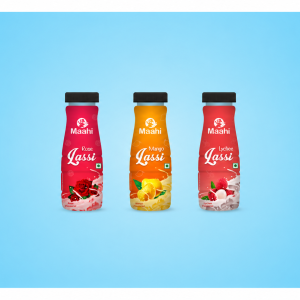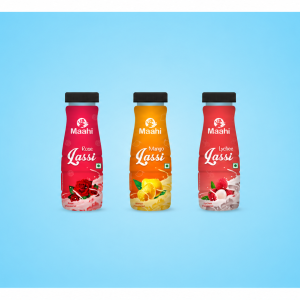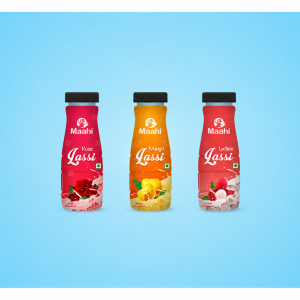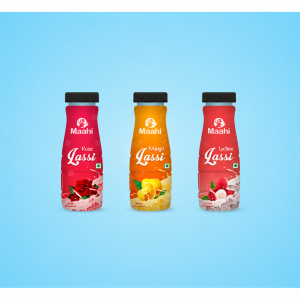
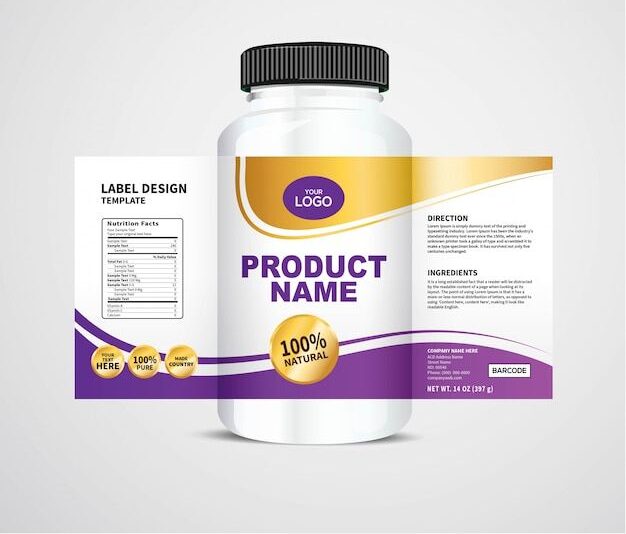
Products produced by a third party and marketed under a retailer's or business's own brand name are known as private labels. Businesses collaborate with manufacturers and concentrate on branding, packaging, marketing, and sales rather than manufacturing products themselves.
This idea enables businesses to offer products that are suited to their target market while developing a distinctive brand identity. Because private labeling offers flexibility, economic effectiveness, and robust brand control, it is commonly utilized in retail and e-commerce.
Key Features:
Products sold under the retailer’s own brand
Manufactured by external suppliers
Customizable design, packaging, and labeling
Cost-effective compared to in-house production
Suitable for small and large businesses
Uses of Private Labels:
Private Labels are widely used by businesses to create their own branded products without manufacturing them. They help companies expand product offerings, improve profitability, and build customer loyalty.
Purpose:
To build a strong and unique brand identity
To increase profit margins
To offer exclusive products to customers
To compete with national or established brands